What The Tech: When is it okay to lie about your age online?
What The Tech
BY JAMEY TUCKER, Consumer Technology Reporter
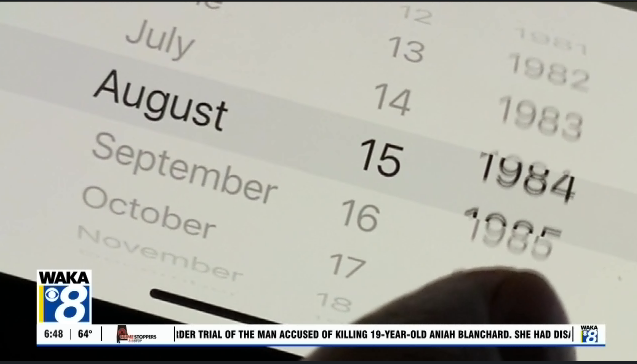
Websites and apps ask for our birthdate all the time. Not just our age, but the full date. Month, day, and year. And most of us type it in without thinking twice.
But in many cases, that little piece of information is far more valuable than people realize. And sometimes protecting your privacy online might mean not giving your real birthday at all.
Why Your Birthdate Matters to Scammers
Your birthdate is one of the most useful pieces of personal information for identity thieves. When apps or websites are hacked, the stolen databases often contain names, email addresses, and birthdates.
That information can end up for sale online, where criminals use it to build profiles on real people. From there, scammers start connecting the dots. They may search social media profiles, looking for family names, locations, or other details that help them answer security questions or impersonate someone when contacting a company.
The more accurate information they have, the easier it becomes.
When It’s Okay to Use a “Privacy Birthday”
If a random website asks for your birthdate, pause for a moment and ask yourself a simple question: Does this site actually need to know this?
For many accounts, the answer is no. Shopping sites, rewards programs, and apps you might use just once often ask for a birthdate even when it isn’t required for the service. In those situations, some privacy experts suggest
using what you might think of as a privacy birthday.
That simply means entering a different date instead of your real one.
It doesn’t make you invisible online, but it does remove a valuable piece of personal data that could be exposed if that company suffers a data breach.
One Important Tip
If you decide to use a “privacy birthday”, save it somewhere secure like your password manager. Some websites use birthdates as part of account recovery, and you may need to remember what you entered later.
When You Should Never Do This
There are some places where you should always use your real information. These include:
● Banks and credit cards
● Medical portals
● Government services
● Tax accounts
● Insurance accounts
● Employment or school systems
Those services rely on accurate information for legal and security reasons.
The Real Lesson: Share Less
One of the best privacy habits online is simple. Share only the information a website truly needs and nothing more.
Because once your personal data is stored in a company’s database, you no longer control where it could end up if that company gets hacked
For local news, click here.