Tallassee woman to spend nearly 10 years in prison for wire fraud and money laundering
A Tallassee woman will spend nearly 10 years behind bars after pleading guilty to wire fraud and money laundering charges.
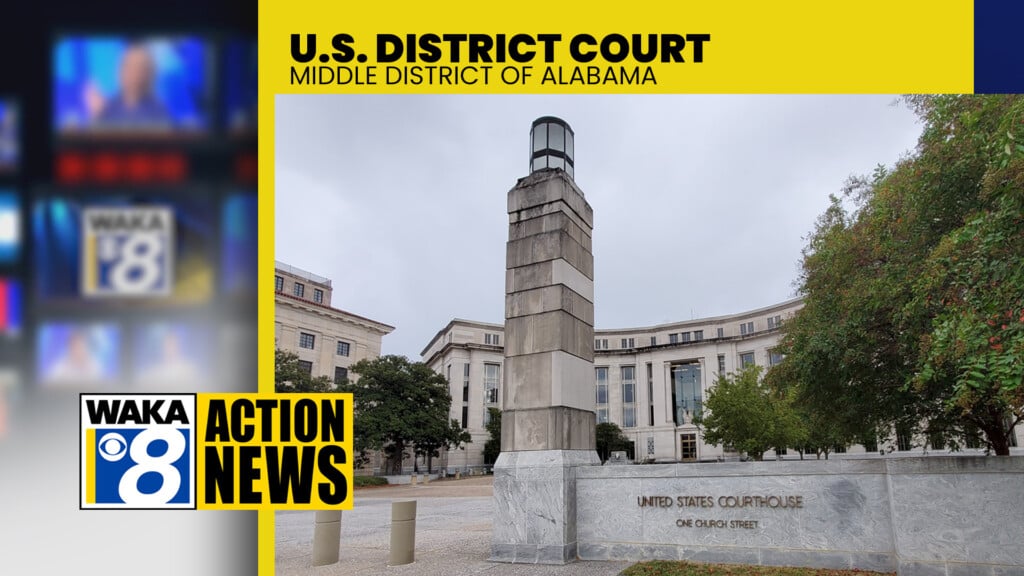
A federal judge sentenced 34-year-old Michelle Denise McIntyre to 114 months in federal prison after pleading guilty to charges related to grants received through the Restaurant Revitalization Fund program.
Following her prison sentence, McIntyre will be on supervised release for three years. Federal inmates are not eligible for parole.
The Restaurant Revitalization Fund (RRF), which was directly administered by the Small Business Administration (SBA), was established in March 2021 by the American Rescue Plan Act. The RRF was a financial assistance program designed to provide eligible restaurants with funding equal to their COVID-19 pandemic-related revenue losses. RRF recipients were not required to repay the funding as long as they used the funds for eligible expenses.
According to her plea agreement, McIntyre admitted that, in May of 2021, she applied for RRF grants falsely claiming she began operating a catering business on December 16, 2019. In the application, McIntyre included false receipts and documents purporting to show food orders for the business. McIntyre’s false representations in her application and in supporting documents caused the SBA to award her grants totaling $131,478.76.
Court documents indicate McIntyre did not use the funds for eligible expenses. Instead, McIntyre used the illegal proceeds to purchase a vehicle, among other unauthorized personal expenses.
According to court records and statements made during her sentencing hearing, McIntyre was also responsible for fraudulently applying for Paycheck Protection Program Loans, Economic Injury Disaster Loans and Advances, and additional RRF money on behalf of herself and others. All of these funds were intended to help struggling small businesses amidst the COVID-19 disaster.
McIntyre operated a business where she charged up-front fees to file pandemic relief applications on others’ behalf, regardless of their eligibility. If an application was successful, she required her clients to pay her a portion of the money they received. All told, McIntyre caused losses to the Small Business Administration exceeding $700,000; and if all of her false applications had been funded, the SBA would have suffered additional losses exceeding $14 million. Restitution will be determined at a later date.
“Fraud committed against federal programs is fraud against the American taxpayer,” said Acting United States Attorney Davidson. “I commend the investigative agencies for their diligent work in this case. My office will continue to do its part in prosecuting those who seek easy profit at the expense of every hard-working United States citizen.”
— Information from the U.S. Attorney’s Office – Middle District of Alabama