U.S. Dept. of Health and Human Services declares public health emergency after Hurricane Isaias

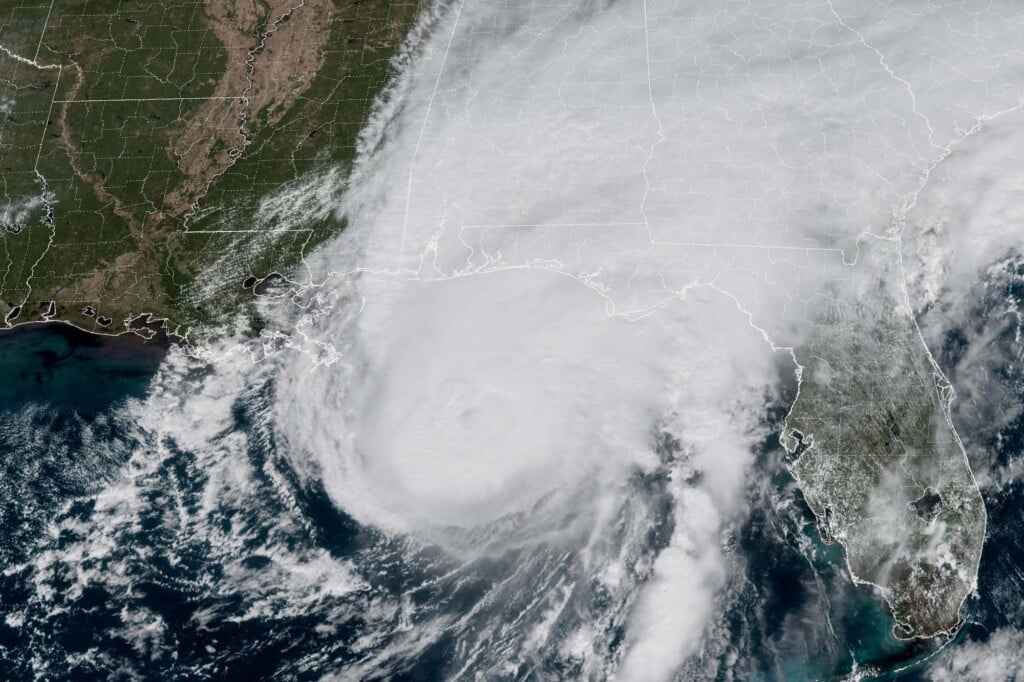
This GOES-19 GeoColor satellite image provided by the National Oceanic and Atmospheric Administration (NOAA) and taken at 1:06 p.m. EDT, Friday, Oct. 9 2026, shows Hurricane Isaias approaching the Gulf Coast of Alabama and Florida . (NOAA via AP)
WASHINGTON, DC (WAKA) – The U.S. Department of Health and Human Services has declared a public health emergency in Alabama and Florida in the aftermath of Hurricane Isaias.
The hurricane made landfall near Destin, Florida, Friday night, October 9, and pushed through Alabama over the following day.
The determinations follow President Trump’s October 9 emergency declarations for both states. The president’s declarations and Health and Human Secretary Robert F. Kennedy, Jr.’s determination allow HHS to authorize temporary waivers and modifications of certain requirements. These flexibilities help the Centers for Medicare & Medicaid Services support healthcare providers and suppliers serving people enrolled in Medicare, Medicaid and the Children’s Health Insurance Program (CHIP) in the covered emergency areas.
People experiencing emotional distress related to Hurricane Isaias can contact the Disaster Distress Helpline by calling or texting 1-800-985-5990. Managed by the Substance Abuse and Mental Health Services Administration (SAMHSA), this toll-free, multilingual, crisis support service is available 24/7 to all residents in the U.S. and its territories who are experiencing emotional distress related to natural or human-caused disasters. Callers can be connected with counselors in more than 100 languages via third-party interpretation services by indicating their preferred language to the responding counselor.
In declaring the public health emergency and authorizing flexibilities for CMS providers, suppliers, and beneficiaries, Secretary Kennedy acted within his authority under the Public Health Service Act and Social Security Act. These actions and flexibilities are retroactive to October 6, 2026, in the state of Florida and October 7, 2026, in the state of Alabama.