What the Tech: How can lawmakers limit impact of AI on children
BY JAMEY TUCKER, Consumer Tech Reporter
AI data centers became a campaign issue in some communities. But beyond the buildings,
electricity demands, and construction projects, artificial intelligence raises questions that will
follow elected leaders to Washington.
How do we protect children using AI? Who’s responsible when an AI assistant takes an
unauthorized action? And how do we protect essential services as hackers gain access to
increasingly powerful tools?
Those decisions could affect people who have never opened an AI chatbot.
Protecting children
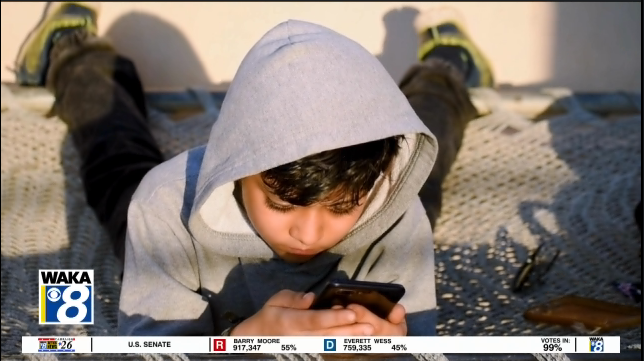
Children can turn to AI for homework help, advice, and companionship. That puts technology
companies in a position of responsibility, especially when conversations involve personal
problems or a crisis.
Congress has already considered proposals addressing children’s interactions with chatbots.
The questions include whether companies should verify users’ ages, what safeguards younger
users need, and how companies should be held accountable when their products cause harm.
For parents, the practical question is straightforward. What protections should they be able to
expect when their child starts a conversation with AI?
When AI takes action
AI agents can go beyond answering questions. They can use tools, access information, and
perform tasks on someone’s behalf.
That creates questions about permission and responsibility. If an assistant shares private
information or makes a purchase the user never authorized, who should answer for it?
Lawmakers will need to consider how companies explain what their systems can access, how
users control those permissions, and what remedies should be available when something goes
wrong.
Protecting essential services
Power grids, water systems, and hospitals depend on computers. As AI gives attackers
additional tools, protecting those systems becomes an increasingly important part of the safety
debate.
What security standards should be required? Who should pay for upgrades? And how can
smaller communities get the resources and expertise to protect their systems?
AI can also help defenders find vulnerabilities. The challenge is helping essential services use
those capabilities while preparing for attackers who have access to them, too.
Decisions beyond Election Day
Congress will face pressure to encourage useful technology while addressing its risks. That
includes deciding which protections should be required and who should enforce them.
These questions may not have gotten much attention in the campaigns viewers followed. But
how elected leaders answer them could affect all of us.