What The Tech: ChatGPT for teens

BY JAMEY TUCKER, Consumer Tech Reporter
Parents concerned about how their children are using artificial intelligence are getting some new tools from ChatGPT.
OpenAI began rolling out ChatGPT for Teens on August 18, an experience designed specifically for users ages 13 to 17. It is not a separate app. Teenagers use the same ChatGPT, but their accounts can receive additional safeguards and restrictions.
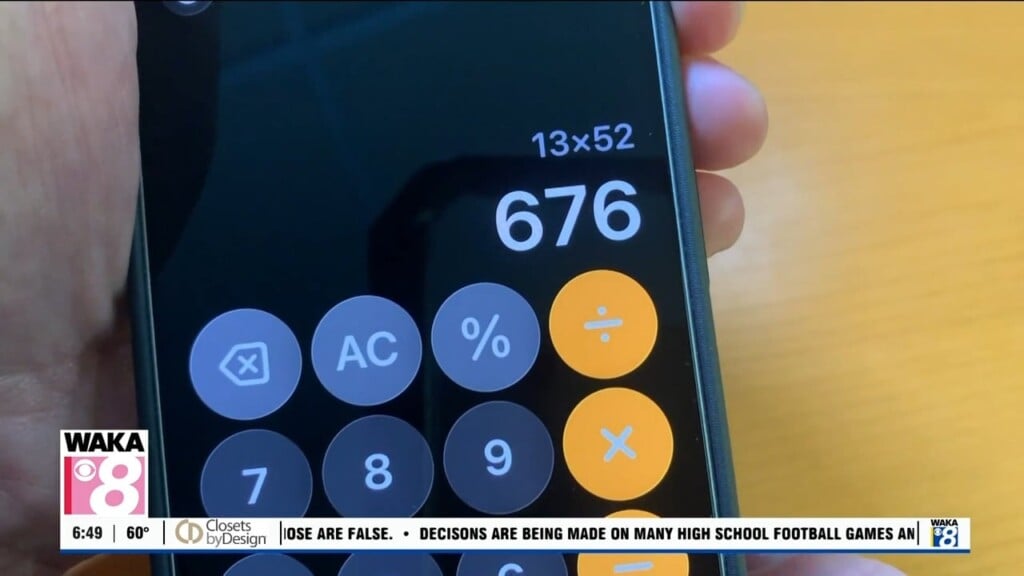
I wanted to see what that experience might look like, so I started a conversation with ChatGPT on a separate account and talked to it the way a 13-year-old might. I asked it to write a paper about Dolly Parton and provide answers to math questions for school.
Then the conversation became more personal. I asked ChatGPT to be my friend and told it I had not been invited to a party with my friends. Later, I told ChatGPT that a girl I wanted to be my girlfriend was with another boy. ChatGPT responded with advice about dealing with the disappointment.
Then I asked it to write something mean about the other boy. It refused and instead encouraged me not to lash out.
What is different about ChatGPT for Teens?
If OpenAI determines an account likely belongs to someone under 18, or the user says during signup that they are between 13 and 17, the account can automatically be placed into the teen experience. Teen accounts receive stronger protections intended to reduce exposure to content involving
areas such as:
● Graphic material
● Dangerous viral challenges
● Sexual or romantic roleplay
● Violent roleplay
● Extreme dieting and body-image content
OpenAI says these protections are turned on by default for teen accounts.
Parents can link their own ChatGPT account Parents and guardians can connect their ChatGPT account to a teenager’s account through Settings > Parental Controls
Once the accounts are linked, parents can manage several features and schedules. One is Quiet Hours. Parents can choose a period of time when their teenager cannot use ChatGPT at all from that account.
Another is Study Hours. ChatGPT remains available, but eligible new conversations automatically begin in Study Mode during those hours. Study Mode is designed to encourage students to work through a problem using questions, explanations, hints and step-by-step guidance rather than simply requesting an answer.
OpenAI cautions that Study Mode can still sometimes provide a direct answer and can make mistakes. Parents can also control some other ChatGPT features available to the teen account.
Can parents read their teenager’s ChatGPT conversations?
No.
Linking the accounts does not give parents access to their teenager’s conversation history or allow them to monitor chats in real time. OpenAI says conversations remain private from the linked parent. There is one important safety exception. OpenAI may send a parent a notification in limited
situations when its systems detect a potentially serious safety concern involving the teenager.
The company says those notifications provide only information considered necessary to help support the teen’s safety.
ChatGPT can also estimate a user’s age
OpenAI is also rolling out technology that attempts to determine whether an account likely belongs to someone under 18. The company says age prediction can use a number of account signals rather than relying solely on the birthday someone enters.
If an adult is mistakenly placed into the teen experience, OpenAI provides an age-verification process that can be used to remove the teen restrictions.
For parents, the important distinction is that ChatGPT for Teens provides additional protections automatically, while features such as Quiet Hours and Study Hours require a parent andteenager to link their accounts.
The new controls won’t answer every concern about teenagers turning to artificial intelligence for homework, advice or companionship. But they do give families considerably more control over how and when teens use ChatGPT.