What the Tech: Why clicking one social media link will make your phone explode
BY JAMEY TUCKER, Consumer Tech Reporter
It started like a normal scroll through Facebook. I came across a post that didn’t even look like an ad. It looked like a dad sharing a story about how his daughter taught him a lesson about saving money.
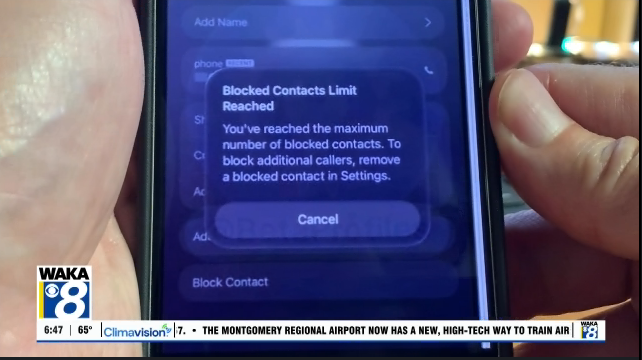
The post talked about getting a better deal on car insurance. So I clicked. I entered my name, phone number, ZIP code, and vehicle information. Then my phone exploded. Within about a minute of hitting submit, I received four phone calls. Before I even left the website. Insurance agents started calling one after another.
Then came the emails. About ten of them in less than five minutes. It felt like someone had hit a giant “SELL THIS LEAD NOW” button. And honestly, that’s pretty close to what happened.
These Sites Aren’t Always Insurance Companies
Many of the websites promoted through Facebook and Instagram posts are not actual insurance companies. They’re called lead generators. Their business model is to collect your contact information and instantly sell it to multiple insurance agents, brokers, or marketing companies at the same time. That’s why the phone starts ringing almost immediately after you submit a form.
Some of the companies contacting you are legitimate insurance businesses. Others are aggressive marketers. And some may continue contacting you long after you’ve stopped shopping for quotes.
Why These Posts Work So Well
The ads often don’t look like ads.
Instead of a flashy banner screaming “BUY NOW,” many are designed to look like personal stories, helpful advice, or regular social media posts. That lowers your guard. And once you enter your information, you may be agreeing to something hidden in the fine print.
Terms like:
● “Marketing partners”
● “Affiliate companies”
● “Consent to contact”
● “By clicking submit…”
Those phrases can mean your information is being shared with multiple companies at once.
What Happens to Your Information?
Once your phone number and email address are entered into the lead generation system, they can potentially be shared repeatedly.
That can lead to:
● Constant phone calls
● Spam emails
● Text messages
● Persistent sales pitches
● Robocalls weeks later
In some cases, your information may continue circulating among marketing databases.
How to Protect Yourself
If you’re shopping online for insurance quotes or other deals, here are a few ways to avoid the flood of calls:
● Go directly to a company’s official website instead of clicking social media posts
● Read the fine print before entering your phone number
● Watch for phrases mentioning “partners” or “affiliates.”
● Consider using a secondary email address for quote requests
● Use a service like Google Voice for temporary quote shopping calls
Most importantly, slow down before submitting your information.
Because more and more online, the real product being sold… is you.