What The Tech: Can you limit your personal information on the internet?
BY JAMEY TUCKER, Consumer Tech Reporter
Not long ago, if you wanted to find personal information about someone, you might have had to visit a courthouse, search public records, or make a few phone calls.
Today, a simple Google search can reveal a surprising amount of information about almost anyone.
People-search websites such as TruePeopleSearch, FamilyTreeNow, USPhoneBook and That’sThem collect information from public records, public social media profiles and other data brokers. They may list your name, age, current and former addresses, phone numbers, email addresses, relatives and associates.
The Federal Trade Commission says people-search sites are a type of data broker. They can compile information from property records, voter registration records, court records and other public sources.
For someone trying to find out where you live or how to contact you, that can make the internet a cyber snooper’s dream.
Google has a free privacy tool
Trying to remove yourself from every people-search website can be a time-consuming process.
But Google offers a free feature called Results about you that can help make some of that personal information much harder to find through Google Search.
Google says the tool can monitor search results for personal details including:
● Your home address
● Phone number
● Email address
● Social Security number
● Passport number
● Driver’s license number
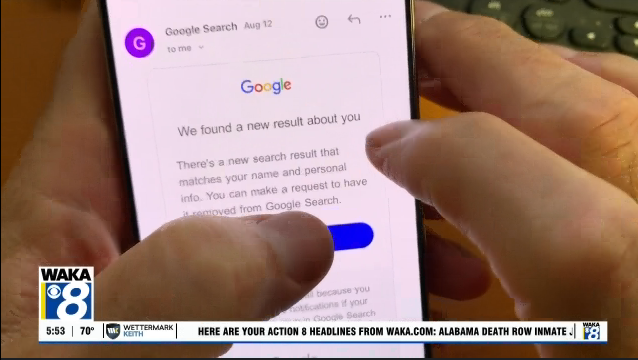
You can also ask Google to notify you when it finds new search results containing that information.
How to use “Results about you”
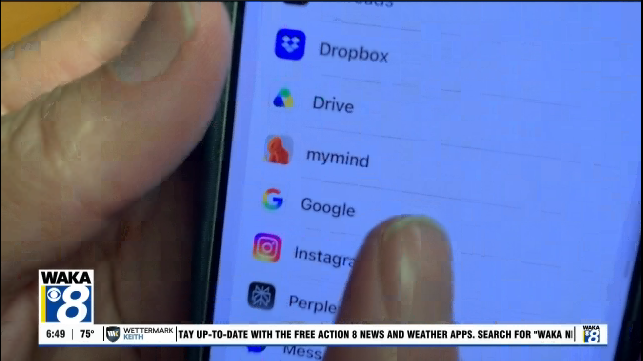
Sign in to your Google account and open Google or the Google app.
Tap your profile picture and choose Results about you.
From there, enter your name and the personal details you want Google to look for.
Google will regularly check search results for pages containing that information. If it finds a match, you can review the page and request that the result be removed from Google Search.
Google will then review the request. If it is approved, the page may no longer appear in searches for your name or may be removed from Google Search altogether.
You can also turn on notifications so Google alerts you when it finds new results containing your personal information.
There is one important catch
Removing a result from Google does not remove your information from the website that published it.
The page still exists.
Google is simply making that page harder to find through its search engine. To remove the information at the source, you will need to contact the website directly and follow its opt-out or removal process.
Many people-search websites offer an opt-out procedure, although each site handles the process differently.
Google may not approve every request
Google also says it may refuse to remove some results when the information appears on websites it considers valuable to the public, including government websites, educational institutions and news organizations.
So this tool is not a way to erase yourself from the internet.
But it can make your home address, phone number, email address and other personal information considerably more difficult for a stranger to find with a simple Google search.
Because new people-search websites continue to appear and information can be republished, it is worth checking Results about you periodically and leaving notifications turned on.