What The Tech: How to spot fake websites
BY JAMEY TUCKER, Consumer Tech Reporter
Online shopping scams used to be easier to spot. Fake websites often had misspelled words, blurry logos, strange web addresses, or awkward
looking layouts. Most people could tell something seemed off.
Not anymore.
Today’s scam websites can look almost identical to legitimate online stores. And thanks to AI tools and copied website templates, scammers can create professional looking fake websites in just minutes. That’s making it much easier for shoppers to fall victim to online scams.
Can You Tell Which Website Is Real?
One recent example involves The Rugged Society, a high-end men’s retailer based in Italy. A fake website called “ruggedsale.com” appeared online using a design that looked nearly identical to the real company’s site. Some of the product photos were even copied directly from the legitimate store. For many shoppers, the fake site looked completely convincing.
And that’s exactly the point. Scammers know people are more likely to trust websites that look polished and professional.
Fake Shopping Websites Have Become Much Smarter
Years ago, scam websites often gave themselves away with poor design and obvious mistakes.
Today, scammers use:
● AI generated copy
● cloned website templates
● stolen product images
● fake customer reviews
● realistic checkout pages
Some fake stores take your payment information and disappear. Others send counterfeit products that barely resemble what was advertised.
In some cases, the goal isn’t even selling products. It’s stealing your:
● credit card number
● email address
● passwords
● personal information
The Fake Bowflex Website Scam
Another example involved fake Bowflex websites that appeared online during the home fitness boom. The scam sites looked almost identical to the real Bowflex store and advertised adjustable dumbbells that normally sold for hundreds of dollars at massive discounts. One fake site offered $300 dumbbells for just $88. Shortly after launching, the website disappeared. Anyone who placed an order likely lost their money.
How to Spot a Fake Website
There are a few warning signs that can help shoppers avoid scam websites.
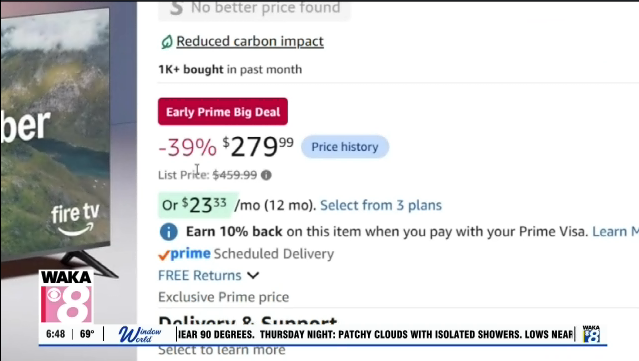
Deep discountsIf a deal seems far cheaper than every other retailer, be suspicious. Scam websites often advertise products at 70 or 80 percent off to create urgency.
Pressure tactics
Fake sites may use countdown timers or messages claiming:
● “Other shoppers are buying now”
● “Only a few left”
● “Sale ends in minutes”
These tactics are designed to rush people into making quick decisions.
Strange web addresses Look carefully at the domain name. Scammers often use web addresses that sound similar to legitimate companies but are slightly
different.
Search the company name. Before ordering from an unfamiliar store, search the company’s name online along with words
like:
● scam
● reviews
● complaints
Legitimate businesses usually have an established online presence. Scam websites often do not.
One More Important Tip
The Federal Trade Commission says online shopping scams remain one of the most commonly reported fraud complaints. And if you do shop online, experts recommend using a credit card instead of a debit card whenever possible. Credit cards typically offer stronger fraud protection and make it easier to
dispute unauthorized charges.
You might wind up with a counterfeit item, or nothing at all.
But the bigger risk may be handing scammers your credit card number and personal information. Scammers know we’re all looking for a deal.
They’re looking for a steal.
Click here for more from WAKA.