What The Tech: Is an anti-virus software needed for smartphones?
BY JAMEY TUCKER, Consumer Tech Reporter
For years, people were told the first thing they needed on a new computer was antivirus software. So it makes sense that many smartphone users assume the same rule applies to phones.
A viewer recently asked a question a lot of people are wondering:
“I know I probably need a virus protector on my phone, but I don’t know what to use and how do I know they are not a scam?”
The short answer: most people do not need an antivirus app on their phone.
But that doesn’t mean smartphones are perfectly safe. It just means the biggest threats today are different from the ones we worried about years ago.
Iphones don’t work like pcs
Apple designs the Iphone to keep apps isolated from the rest of the system. Because of that, antivirus apps on iphones can’t scan the phone the way antivirus software scans a windows computer. That surprises a lot of people.
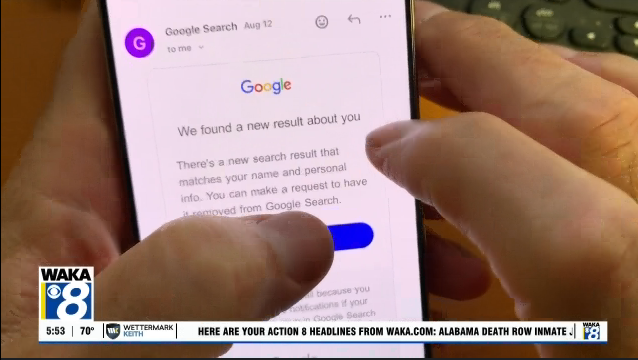
Most threats on iphones today are not traditional viruses. They’re scams. Fake text messages. Phishing links. Fraudulent websites trying to trick you into handing over passwords or credit card information.
So while Iphones are generally secure, users can still be fooled. And that’s where most of the danger really is.
Android phones are more open
Android phones allow more freedom than iphones, including the ability to install apps outside the google play store. It’s called sideloading. That flexibility can be useful for advanced users, but it also creates more opportunity for malware infections.
Most android malware problems happen when apps are downloaded from unofficial websites or third party app stores. Even google play has occasionally allowed bad apps to slip through, though google usually removes them quickly once discovered.
The safest approach is simple:
● download apps only from official app stores
● stick with trusted developers
● avoid random links promising free apps or cracked software
The real danger is getting tricked for most smartphone users, the biggest risks are not viruses at all.
They are:
● phishing texts pretending to be banks or delivery companies
● fake login pages
● scam phone calls
● reused passwords
● social engineering tricks
Cybercriminals have figured out it’s often easier to fool a person than hack a phone. That’s why protecting your accounts matters more than installing antivirus software.
What you should do instead
These steps provide more protection than most antivirus apps:
● keep your phone updated
● use strong, unique passwords
● turn on two factor authentication
● avoid tapping suspicious links
● don’t install apps from unknown sources
Those habits stop far more attacks than antivirus software alone.
When an antivirus app might help. There are situations where antivirus apps can still be useful.
If you:
● frequently tap links without checking them
● download files from unfamiliar websites
● install lots of apps
● use android sideloading
● want extra scam and web protection tools
…then a reputable security app may add another layer of protection.
Well known companies like malwarebytes, avg technologies, and norton offer mobile security apps that focus more on scam detection, dangerous websites, and account safety than traditional virus scanning.
The bottom line
You probably don’t need to worry about your phone getting a virus nearly as much as you should worry about getting fooled. Modern smartphones are already pretty secure. The weak spot is usually not the phone. It’s the human holding it.
Click here for more from WAKA.